Noah Patterson · 8 November 2026
Citizen Science Efforts Reveal Shifts in Lodgeridge Bird Populations Across Seasons
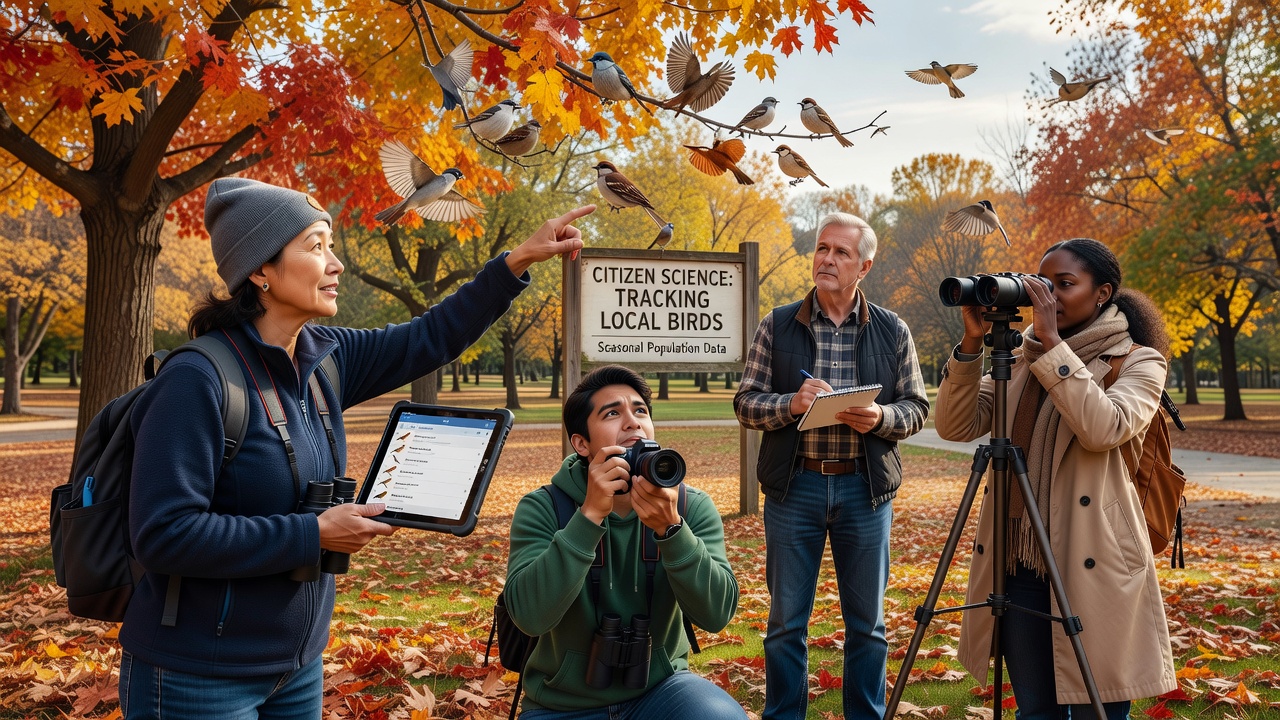
Residents in Lodgeridge have organized systematic counts of local bird species to document how populations respond to changing seasons, and these efforts rely on standardized protocols that volunteers follow during scheduled outings. Data collection happens year-round with particular emphasis on migration periods, while participants use mobile apps to log sightings of species such as warblers, finches, and raptors that appear at different times of the year.
Training sessions occur monthly at community centers where experienced observers demonstrate identification techniques, and new volunteers practice with field guides before joining group walks. The program coordinates with regional databases so that individual records contribute to larger datasets used by biologists studying climate effects on avian behavior.
Methods Used in Local Monitoring
Teams divide into small groups that cover designated transects along trails and waterways, and each group records the time, weather conditions, and number of individuals observed for every species encountered. Protocols require participants to note breeding activity in spring months and flocking behavior during fall, which creates comparable records across multiple years.
Equipment includes binoculars, GPS units, and tablets preloaded with identification keys, while data submission happens immediately after each outing to maintain accuracy. Observers also photograph unusual sightings for verification by project coordinators before those records enter the main archive.
Patterns Documented Through 2026
Records from the past five years show that several migratory species arrive earlier in spring than they did a decade ago, and numbers of certain resident birds such as chickadees have remained stable in forested areas around Lodgeridge. Fall counts in November 2026 captured higher concentrations of sparrows along river corridors compared with previous seasons, a trend that aligns with broader regional surveys.
Winter observations indicate that some species linger longer before departing, and these extended stays correlate with milder temperatures recorded at local weather stations. Volunteers have also noted increased sightings of species previously considered rare visitors, which suggests range expansions driven by shifting food availability.
Contributions to Regional Understanding
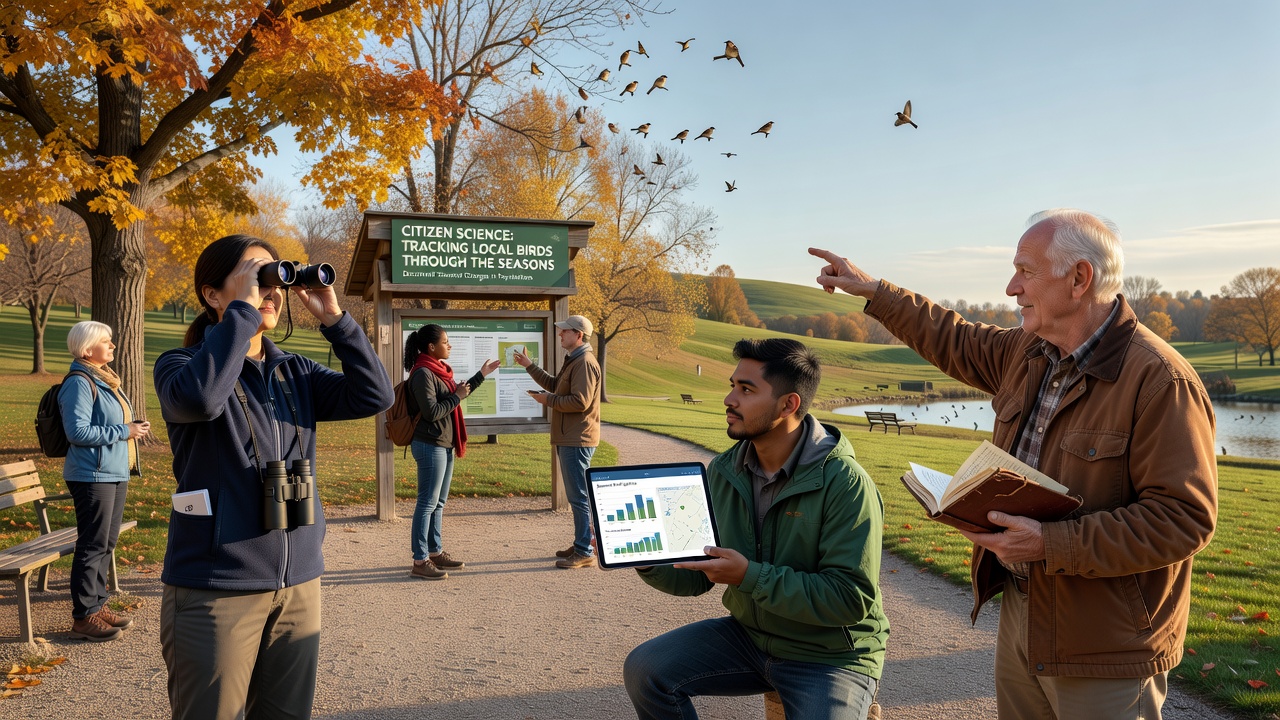
Local findings feed into national monitoring networks where aggregated data helps track continent-wide movements, and Lodgeridge records have been referenced in studies examining how urban development affects nesting success. According to information from Birds Canada, similar volunteer programs across North America have documented consistent trends in species distribution that match local observations.
Community meetings held quarterly allow volunteers to review summarized charts and discuss adjustments to survey routes, and these sessions have led to the addition of new monitoring sites near recently developed housing areas. School groups participate during certain months, which introduces younger residents to data collection practices while expanding the total number of observations collected each season.
Integration With Conservation Planning
Findings from the program inform decisions about habitat restoration along key corridors, and land managers have used population trends to prioritize planting of native shrubs that support insect populations birds rely on. Reports generated from the database are shared with municipal planners so that upcoming trail maintenance projects avoid disturbing active nesting zones during critical periods.
Partnerships with university researchers have produced joint publications that compare Lodgeridge data with records from other mountain communities, and these comparisons highlight how elevation influences arrival times of certain species. The project also maintains an open archive where anyone can download anonymized datasets for independent analysis.
Future Directions for the Initiative
Expansion plans include adding acoustic recording devices at remote stations to capture nocturnal migrants that visual surveys often miss, and grant applications have been submitted to fund equipment upgrades. Coordinators are exploring ways to incorporate drone imagery for habitat mapping while ensuring that volunteer safety and data privacy remain priorities.
Workshops scheduled for early 2027 will focus on advanced identification of juvenile birds, which can be challenging during late summer surveys. Continued growth in participation numbers has allowed the project to cover additional watersheds that previously lacked consistent monitoring.
Conclusion
Resident-led tracking of bird populations has produced a detailed record of seasonal changes in Lodgeridge that supports both scientific research and local planning. The structured approach taken by volunteers ensures that observations remain consistent and usable over time, while connections to larger networks amplify the value of each individual contribution. As the program evolves with new tools and participants, the dataset continues to grow and provide insights into how bird communities respond to environmental shifts in the region.