Hugo Fischer · 13 September 2026
Historic Building Reopens as Community Cafe, Reviving Local Traditions and Creating Fresh Social Ties
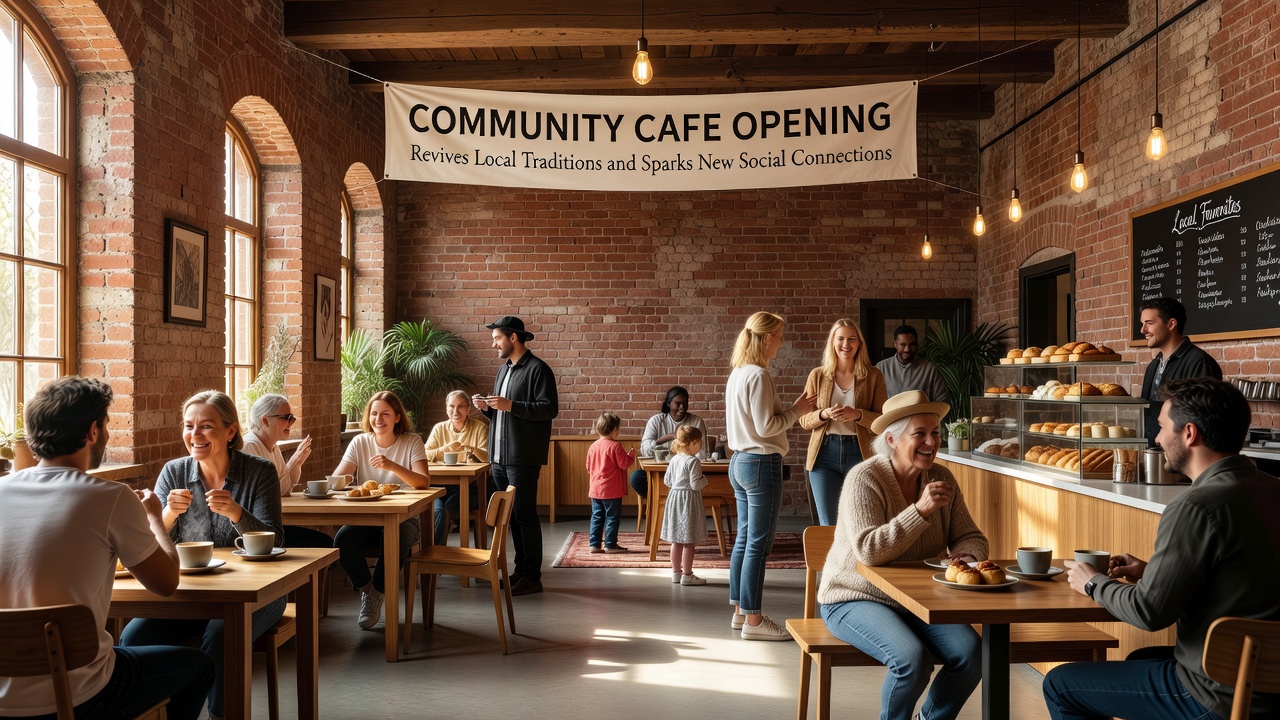
The former town hall in Lodgeridge has stood empty for years, yet its stone walls and timber beams still carry the weight of past gatherings; now those same spaces host a new community cafe that opened its doors in September 2026. Local residents have already begun using the venue for morning coffee, afternoon meetings, and evening events that echo earlier customs of shared meals and public discussion. Records from the Lodgeridge historical society show the building dates to the late 1800s, when it first functioned as a meeting place for farmers and merchants; preservation work completed ahead of the cafe launch kept original flooring and windows intact while adding modern kitchen facilities. Data from the National Trust for Historic Preservation indicate that adaptive reuse projects of this type often increase foot traffic in surrounding blocks by measurable percentages within the first year.Restoration Process and Design Choices
Contractors removed layers of later additions that had covered original brickwork, then installed energy-efficient systems that meet current building codes without altering visible historic features. The interior layout places seating areas in former council chambers, while the main counter occupies the space once reserved for public announcements. Observers note that these choices maintain the building's original flow while supporting daily cafe operations.
Materials for repairs came from regional suppliers whenever possible, a decision that aligns with findings from university studies on sustainable renovation practices. One study from a Canadian research institute tracked similar projects and found reduced material transport distances correlated with lower overall project emissions.
Community Activities and Participation
Since the September 2026 opening, the cafe has scheduled weekly events that draw on long-standing local practices such as seasonal produce markets and storytelling sessions. Attendance figures compiled by cafe staff show steady growth, with repeat visitors forming informal groups that meet on set days. These patterns mirror earlier community habits documented in town archives from the mid-twentieth century.
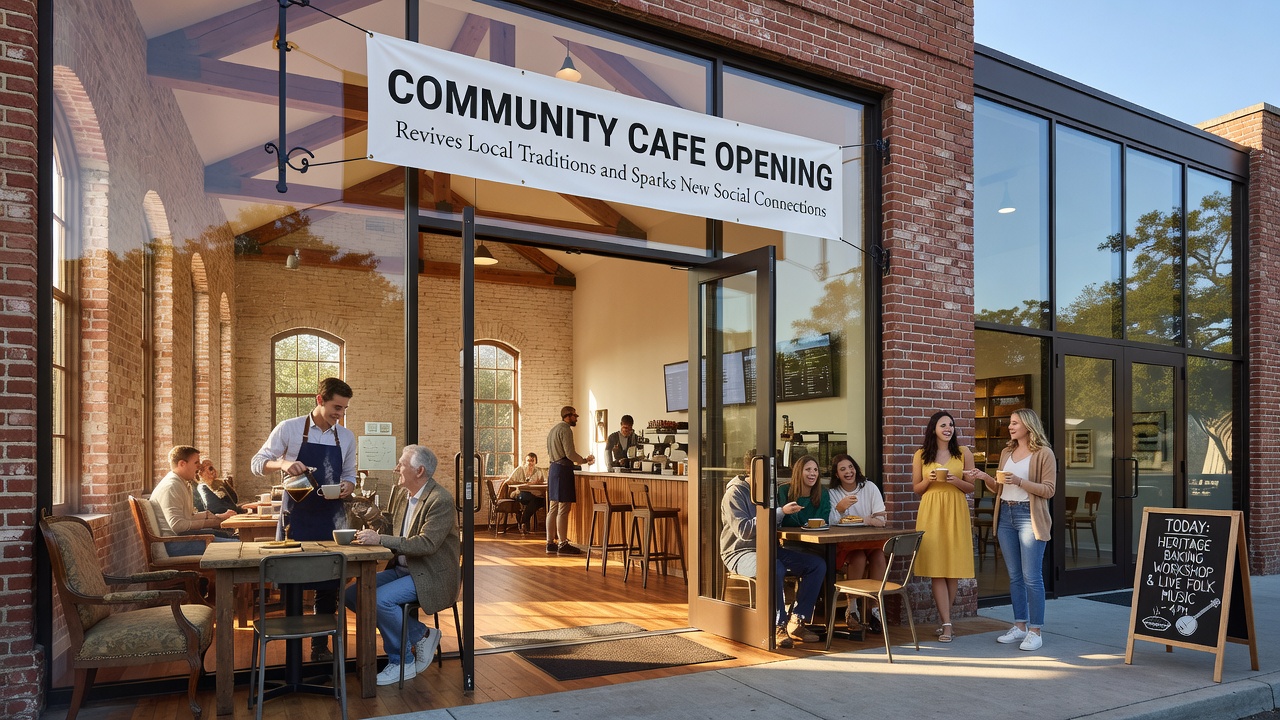
Organizers have partnered with nearby schools for student reading programs held in the afternoons, and data collected during the first three months indicate consistent participation from multiple age groups. Researchers at an Australian academic center have examined comparable cafe-based initiatives and reported increased neighborhood interaction metrics when historic sites host recurring public activities.
Economic and Social Effects Observed
Early sales records reflect purchases from local bakeries and farms, creating direct supply links that support area producers. City planning documents note that the project qualified for preservation incentives, which offset portions of the renovation costs. Those incentives follow guidelines outlined by the U.S. Department of the Interior for certified historic structures.
Residents have formed new connections through shared tables and event sign-up sheets, patterns that align with broader findings from the European Institute for Urban Studies on the role of third places in maintaining social networks. The cafe remains open seven days a week, with extended hours on weekends to accommodate larger gatherings.
Future Plans and Ongoing Use
Management has announced plans to expand programming in coming months, including workshops on traditional crafts that reference skills once practiced in the region. These additions build on existing momentum without requiring further structural changes to the building. Continued monitoring by local volunteers will track visitor numbers and event outcomes through the end of 2026.
Conclusion
The reuse of this historic structure demonstrates how preserved architecture can support current community needs while retaining tangible links to earlier periods. Ongoing operations through September 2026 and beyond will provide additional data on participation levels and economic activity generated by the cafe.