Logan Flores · 27 September 2026
New Vendor Additions Energize Upcoming Harvest Festival Preparations
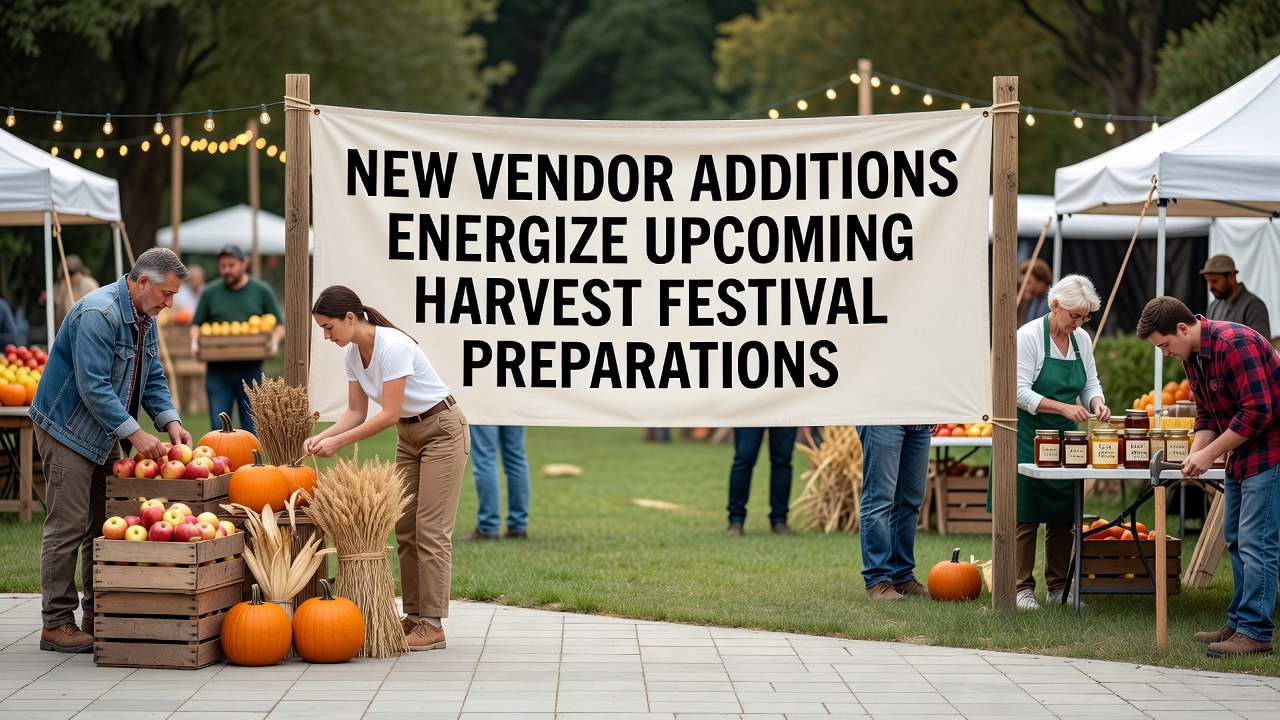
Local organizers have confirmed a wave of new vendor registrations for the annual Harvest Festival scheduled to begin in September 2026, and these additions are reshaping the event's layout while expanding its range of offerings. Community records show that the festival has grown steadily since its revival in the early 2000s, drawing participants from surrounding counties and creating temporary marketplaces that highlight regional agriculture and crafts.
Expansion of Vendor Categories
Planning documents indicate that at least twelve new vendors have secured spots this cycle, bringing specialty food trucks, artisanal cheese makers, and sustainable textile producers into the mix alongside traditional farm stands. Those who have reviewed the applications note that several newcomers focus on organic produce grown under controlled environments, a shift that aligns with data from the U.S. Department of Agriculture on rising consumer interest in certified products. This influx requires adjustments to the grounds, including additional electrical hookups and designated parking zones for larger equipment.
One study conducted by a regional agricultural cooperative found that festivals incorporating diverse vendor types experience longer visitor dwell times, and planners here are applying those findings by clustering complementary stalls together. For instance, a new kombucha brewery will sit near a bakery that supplies fresh bread daily, allowing attendees to sample paired items without crossing the entire site.
Logistical Preparations Underway
Site maps released last month outline expanded walkways and shaded rest areas to accommodate higher foot traffic expected from the added vendors. Crews have already begun installing temporary power stations and waste management systems that meet updated county health codes, measures that previous years' attendance figures suggested would become necessary. Event coordinators report that permit applications cleared review faster than in prior cycles because the new vendors submitted complete documentation on sourcing and safety protocols early.
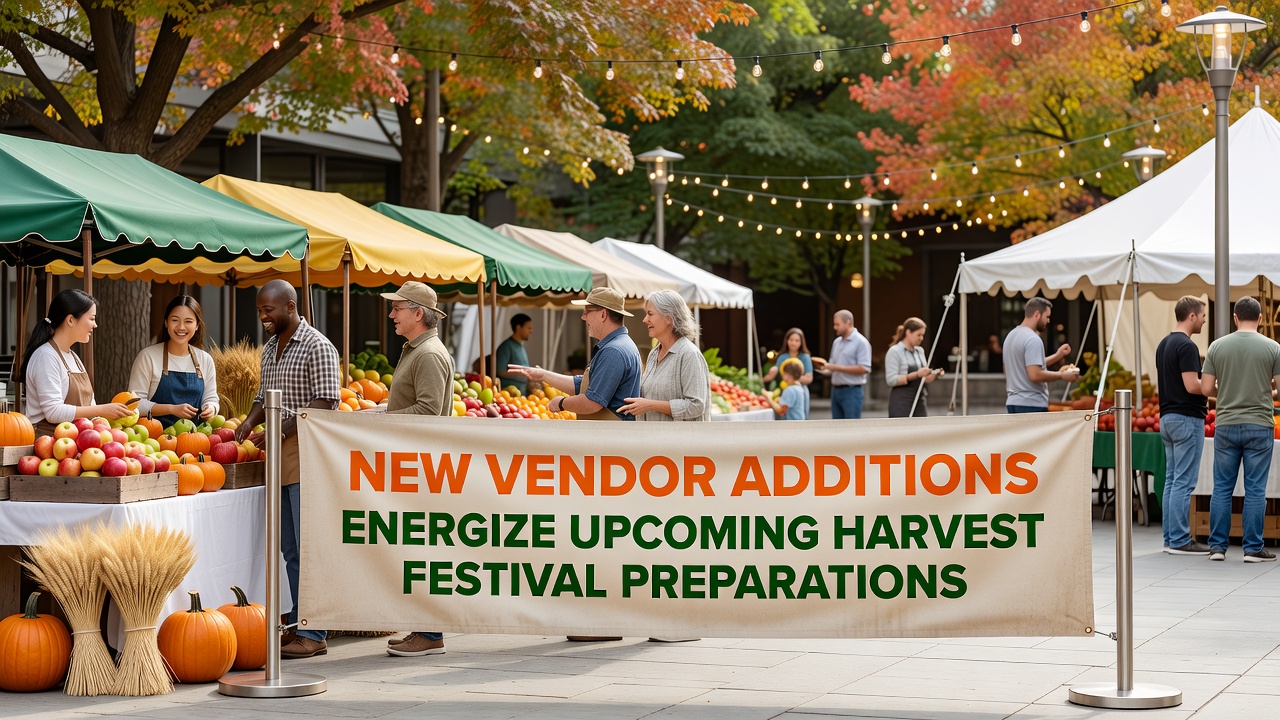
Transportation routes for incoming goods have also been revised. Trucking schedules now stagger deliveries across early morning hours to reduce congestion on local roads, a change informed by traffic studies from similar events in the Midwest. Vendors themselves are coordinating shared cold storage units, which cuts individual costs and lowers the overall energy demand during the multi-day run.
Community and Economic Impact
Figures from the county economic development office show that past festivals generated measurable increases in nearby retail sales, and organizers anticipate the new vendors will extend those benefits by attracting niche audiences such as craft beer enthusiasts and wellness-focused shoppers. Local schools have partnered with several producers to host short educational sessions on crop cycles and food preservation, turning parts of the grounds into informal learning spaces during slower afternoon periods.
Merchants who participated in earlier editions describe how returning customers often seek out specific items they discovered the previous year, creating repeat business loops that extend beyond the festival dates. The addition of international spice importers and heritage seed sellers this time around broadens that cycle further, giving attendees exposure to products not typically stocked in local stores year-round.
Conclusion
Preparations continue through the summer months with weekly check-ins among vendors, safety teams, and municipal staff to finalize every detail before gates open in September 2026. The expanded roster reflects broader trends in seasonal events that blend commerce with education, and records from comparable gatherings across North America confirm that such growth tends to sustain community engagement over multiple seasons when logistics keep pace.